
Artists with Partial Sight and Blindness in History
Blind Create celebrates artists who demonstrate that creativity is not limited by sight.
Blind & Partially Sighted Artists Through History
Creativity Beyond Sight
Throughout history, many artists have experienced partial sight, visual impairment or blindness during their lives and careers.
This page celebrates some of those artists and their achievements, showing that creativity, imagination and artistic expression can continue despite changes in vision.
As Blind Create offers specialist art tuition and creative learning opportunities, this page aims to inspire visitors and encourage an understanding of how artists have adapted, evolved and continued creating throughout history.
Historical Artists and Vision Loss
Some of the artists who experienced visual impairment or sight loss include:
Claude Monet
Edgar Degas
Georgia O'Keeffe
Giovanni Lomazzo
Gerard de Lairesse
John Tenniel
Antonio Verrio
Alongside these artists, many others have painted blindness as a subject or experienced changes in their vision during their careers.
Understanding the Terminology
Pictorial blindness refers to a level of visual deterioration where an artist can no longer continue painting, although they may not be completely blind.
Legal blindness is a recognised level of visual impairment where some activities, such as reading and writing, may still be possible with support or difficulty.
Continuing the Story
This page will continue to evolve over time. If you know of artists who experienced visual impairment and are supported by reliable sources, please get in touch.
Information on this page has been gathered from selected public sources for convenience. Visitors are encouraged to explore the original references for further research.
The information about some well known artists mentioned was from: visionaware.org/everyday-living/recreation-and-leisure/arts-and-crafts/painting/
This list can be added to, so please send in information on artists and reference the source where applicable.
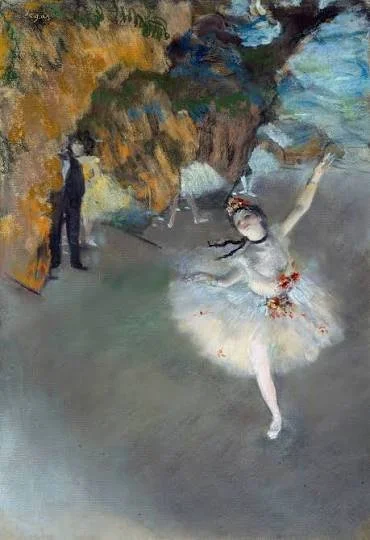
Ballet / The Star (Dancer on the Stage, Rosita Mauri)
Edgar Degas (1834–1917)
Image courtesy of Wikimedia Commons - Public Domain
The contrast between light and darkness can also be linked to ideas of vision and partial sight, where only certain elements are clearly visible while others are obscured.
In later life, Degas experienced deteriorating eyesight, which influenced his move towards pastels and sculpture, where bold form and movement were more important than fine detail.
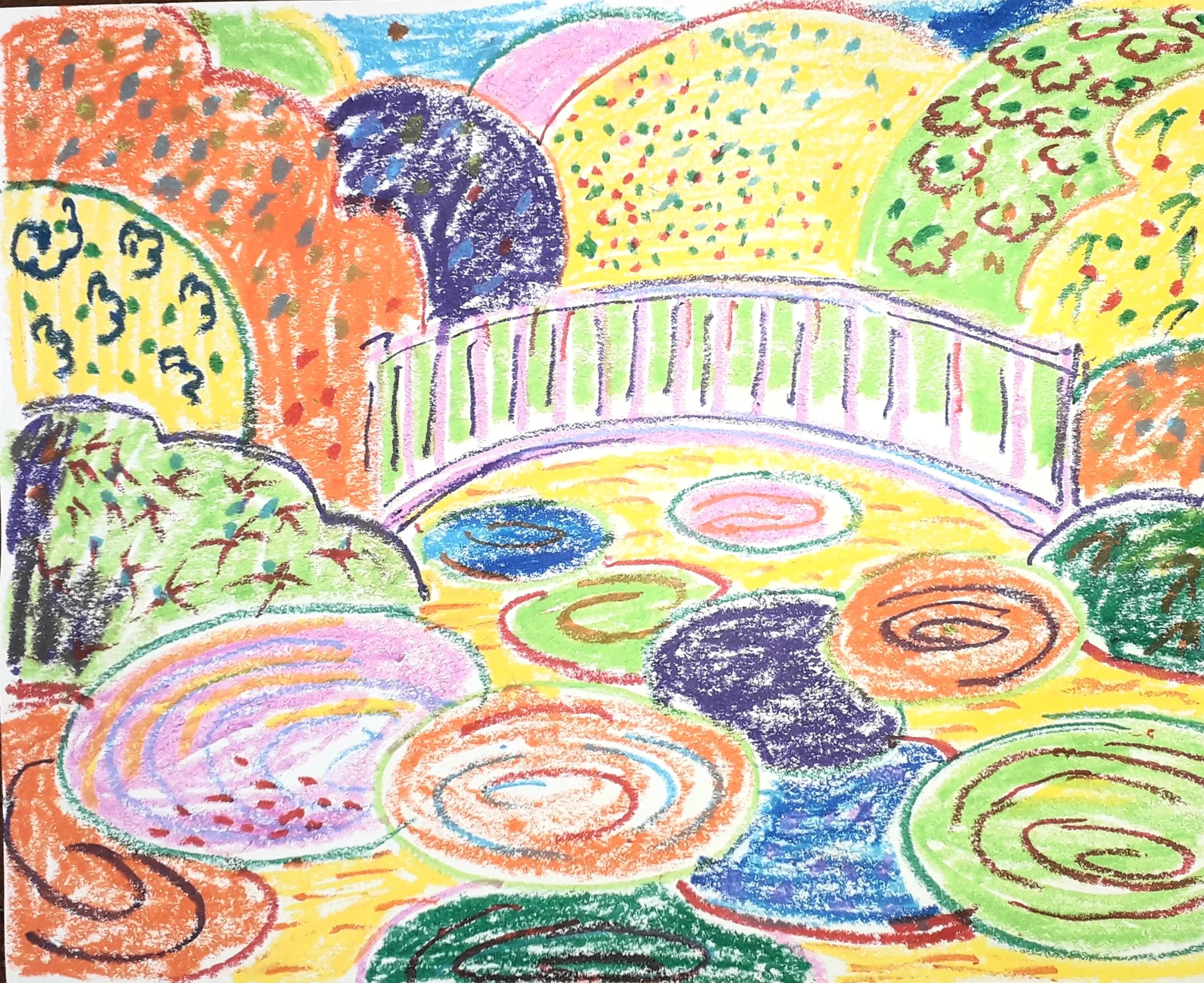
Claude Monet Study:
Movement and Form
Original artwork by David Grigor, inspired by Claude Monet (1919).
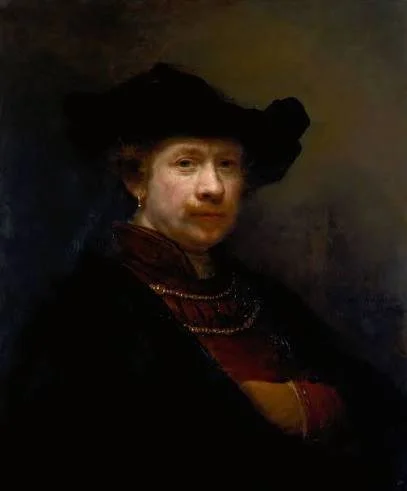
Self-Portrait
Rembrandt van Rijn (1606–1669)
Image courtesy of Wikimedia Commons – Public Domain
Rembrandt’s use of light and shadow is often used in visual awareness studies to demonstrate how contrast shapes perception and guides attention.
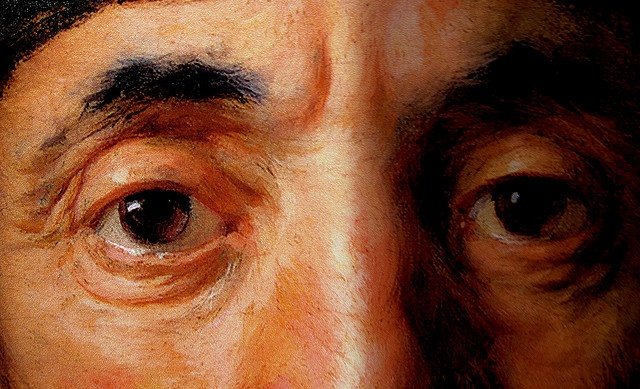
Perception and the Viewer
Rembrandt often draws attention to the eyes as a focal point in his portraits, using light and shadow to guide the viewer’s perception and emotional response.