Why I Created Mission to the Moon
A Lifelong Fascination with Space
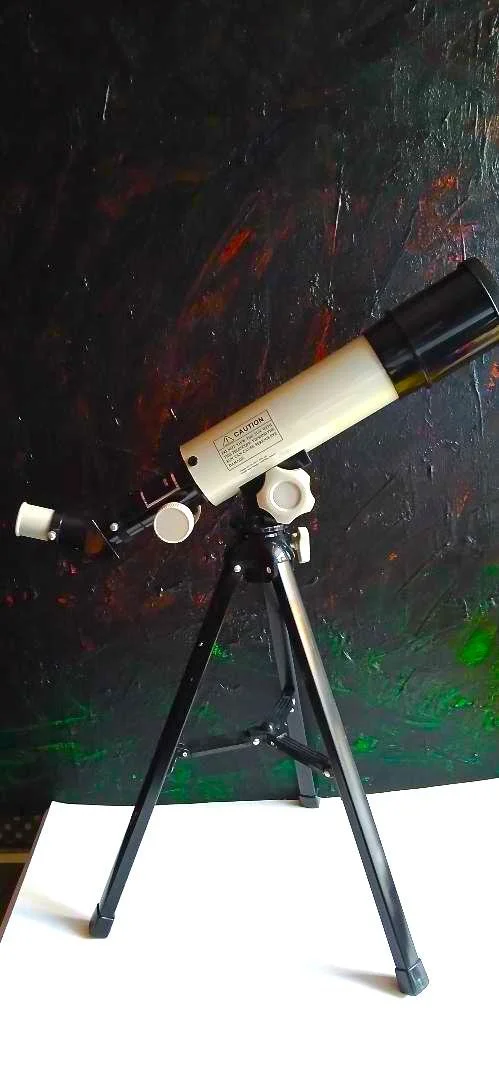
My fascination with astronomy began at school, where as a sixth former I established an Astronomy Society and became its secretary. During this time, I followed the return of Halley's Comet in 1986 using a high-resolution refractor telescope and invited astronomers to speak about our Solar System, the Milky Way, the wider Universe and emerging discoveries. These experiences helped shape a lifelong passion for space, exploration and science education that would eventually inspire Mission to the Moon.
From Astronomy Club to Space Camp
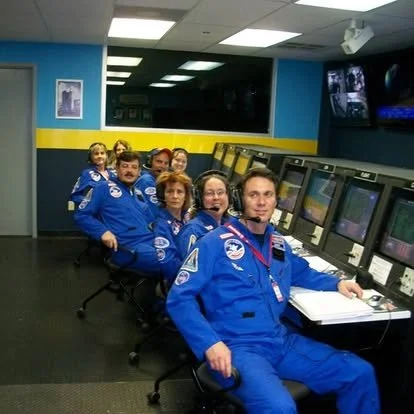
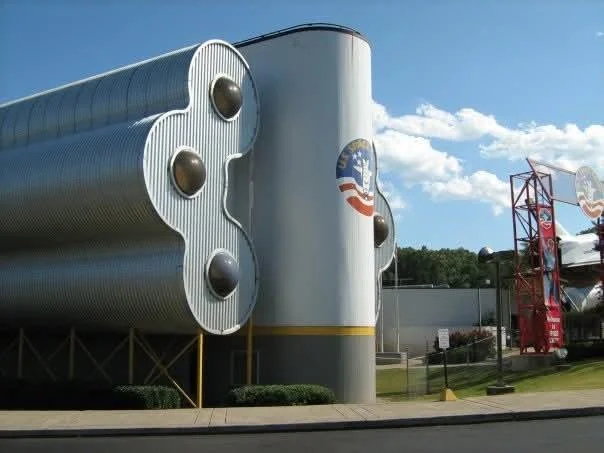
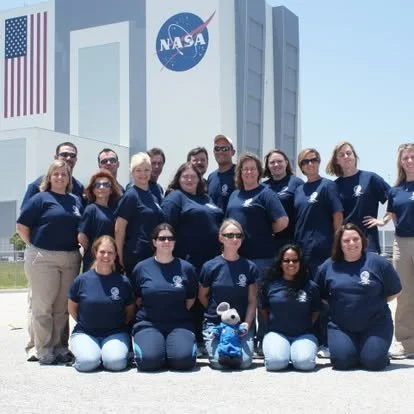
In 2009 & 2010 I went to Educators Space Academy and Educators Advanced Space Academy and experienced training like an astronaut at the world famous Spacecamp in Huntsville Alabama, USA. The story behind this can be seen in ‘About Me’ page. It was truly inspiring.
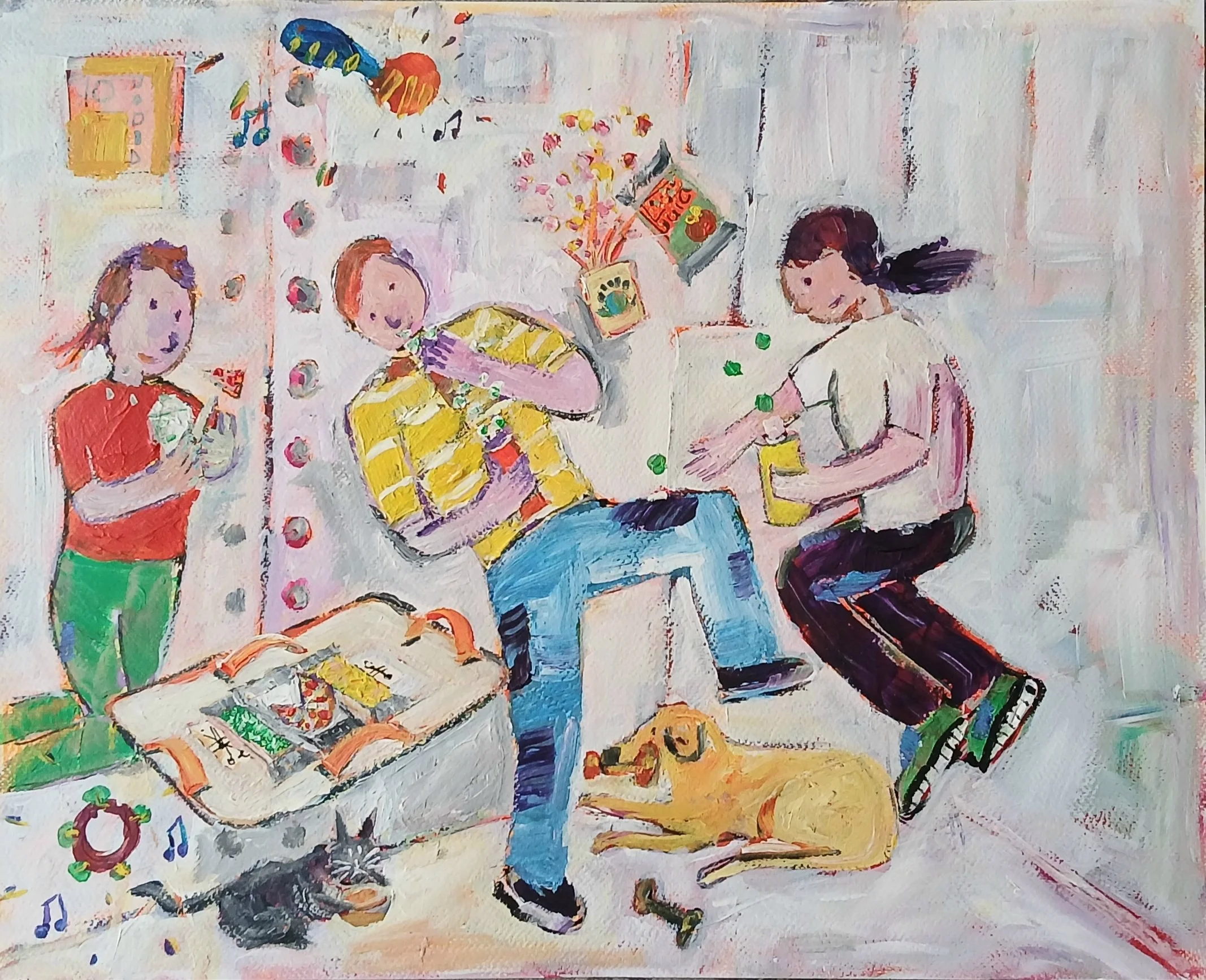
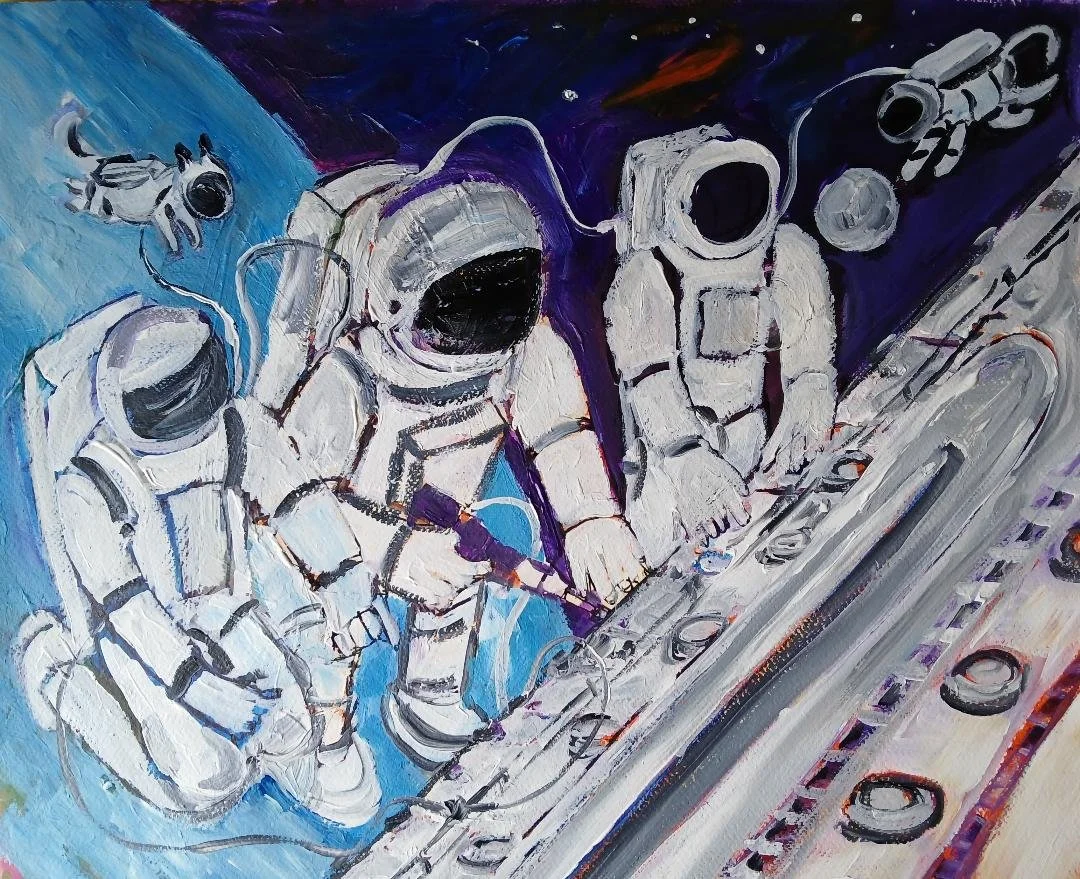
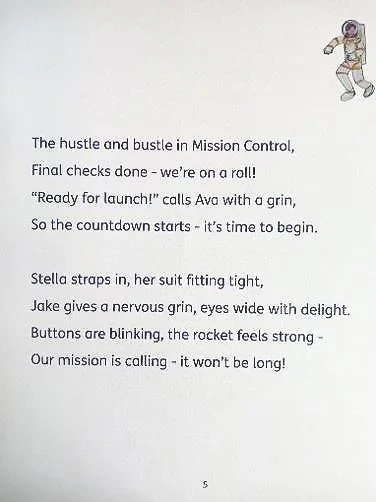
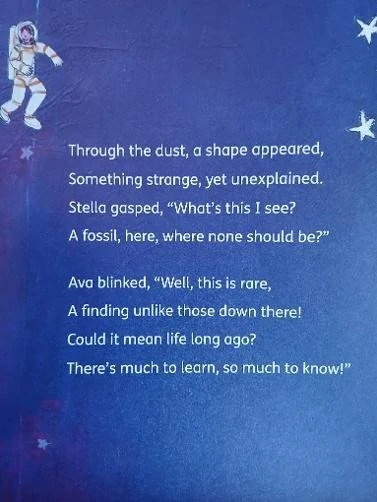
I wanted to combine art with education and link various parts of the story to show how Astronauts really live in space and making this engaging for children.
Combining Art, Storytelling and Science
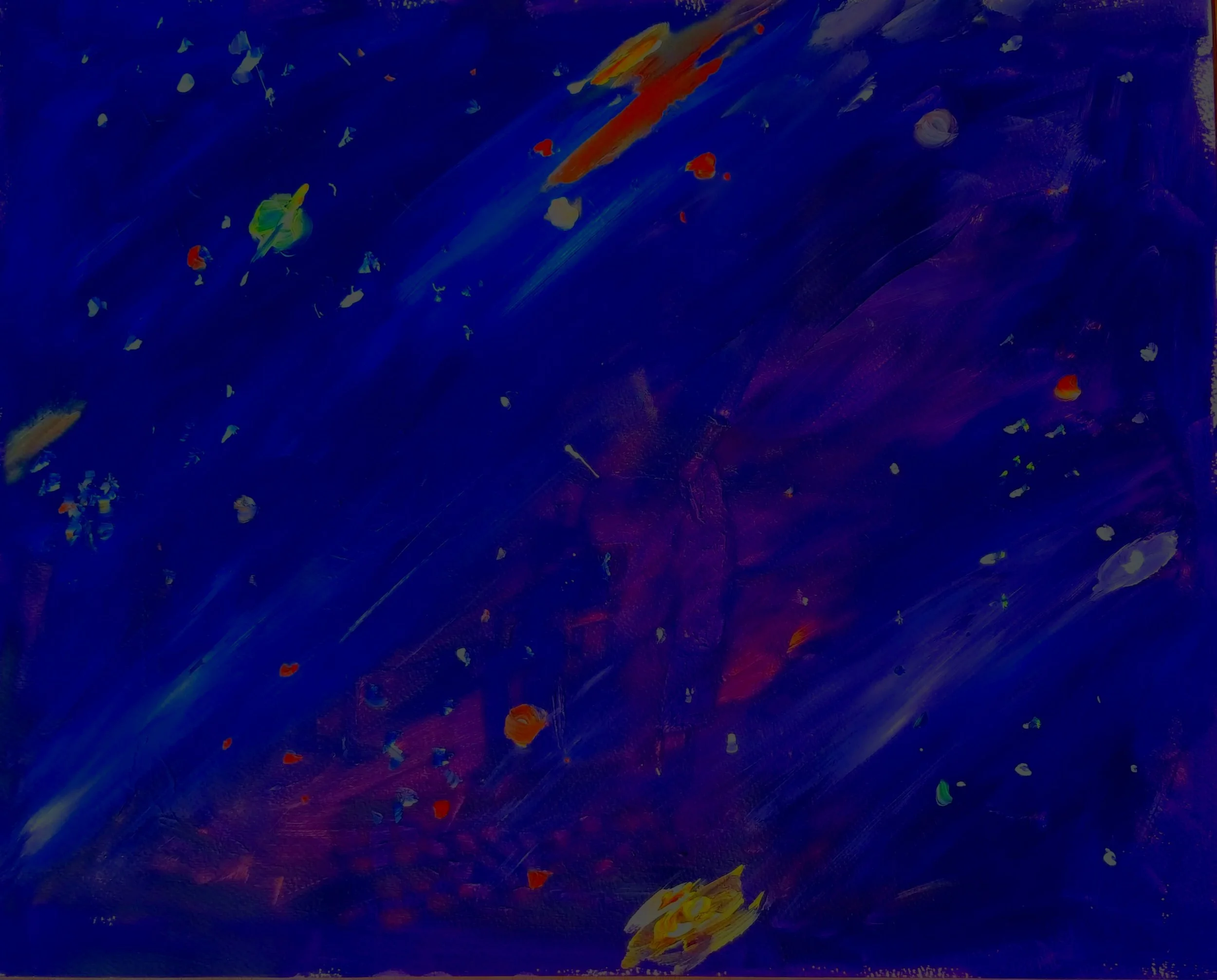
Mission to the Moon was a completely different creative challenge. Although I am primarily known for my figurative landscape paintings and pen-and-ink work, I wanted to branch into figurative illustration using acrylic and pen to portray this story. I wanted to create a visual world that would bring the story to life while combining art with education. By linking elements of the adventure to how Astronauts really live and work in space, the aim was to make learning about space exploration both engaging and accessible for young readers.
Creating an Inclusive Adventure
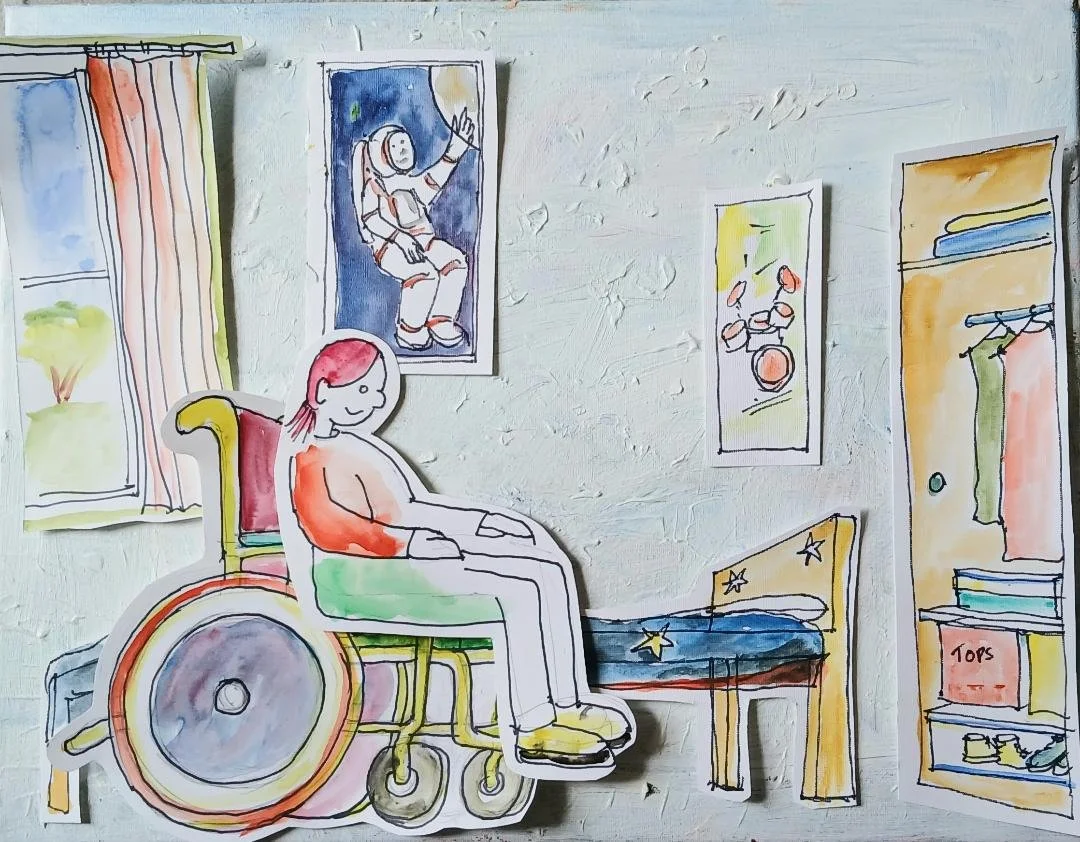
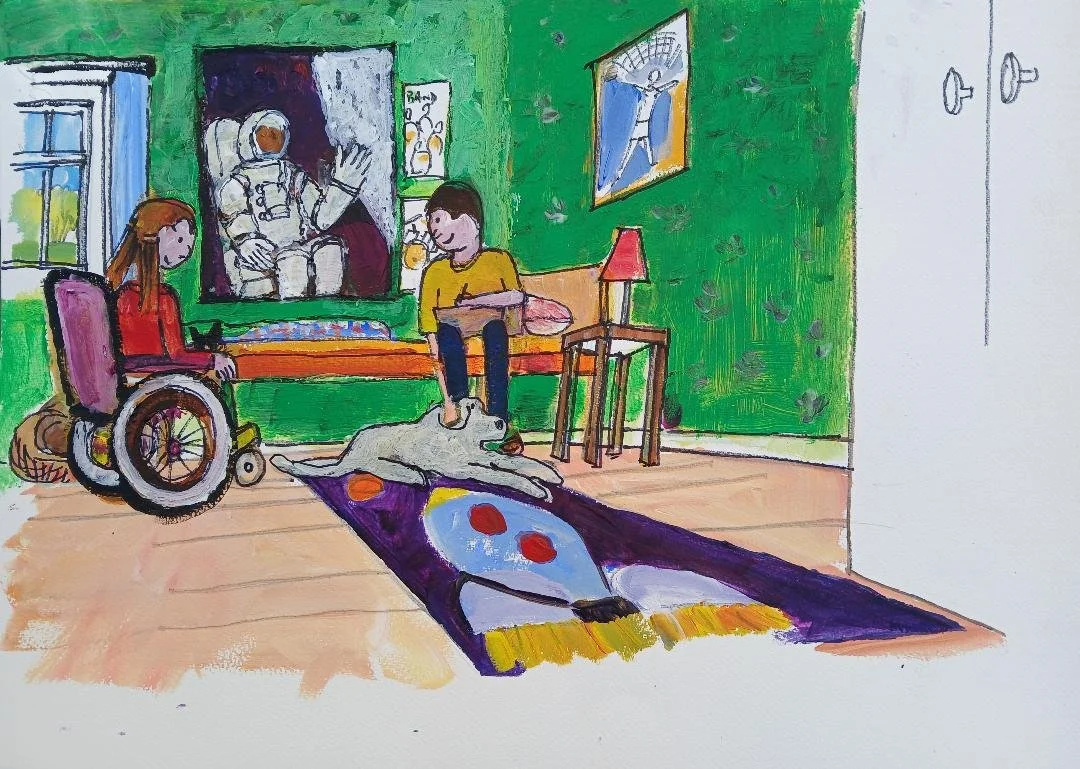
Mission to the Moon was created with the belief that every child should be able to see themselves in an adventure. Through Stella, a young wheelchair user who experiences the freedom of movement that microgravity can offer, the story encourages readers to think differently about possibility, exploration and the future.
Accessibility was considered throughout the book's development. Working with PAMIS helped inform sensory-friendly elements, while the use of the FSME font supports dyslexic and neurodivergent readers. As someone with dyslexia myself, it was important to create a book that combines imagination, learning and inclusion, ensuring that the wonder of space can be enjoyed by as many children as possible.